
%20Cropped.jpg)
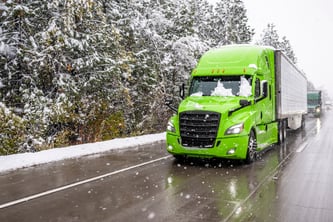
Winter continues to be one of the toughest seasons for the transportation industry. The combination of freezing temperatures, snow, ice, and unpredictable storms creates conditions that challenge even the most experienced drivers. As fleets push for uptime, safety, and reduced operating costs, winter preparation must be more strategic, more disciplined, and more tech-informed than ever before.
Success starts long before a truck hits the road, and it begins with the driver.
Drivers: The First and Most Important Line of Defense
Driver awareness remains the single most powerful tool your fleet has during winter operations. Even with advanced technology, ADAS systems, and telematics, winter hazards still require human judgment, attention, and proactive maintenance. A well-trained, well-prepared driver can prevent weather-related breakdowns, roadside calls, tire failures, visibility issues, starting problems, fuel gelling, and winter-related collisions.
2025-2026 Pre-Trip Winter Safety Checklist
- Tire Pressure, Condition & Tread Depth: Verify inflation meets the manufacturer’s PSI specification. Cold weather reduces PSI rapidly therefore expect up to 1 PSI loss per 10°F drop. Check for proper tread depth, uneven wear, and valve moisture or cracked stems.
- Brakes & Air System: Test service and parking brakes. Inspect hoses for cracking or moisture buildup. Confirm the air dryer is functioning to prevent frozen air systems. It is not a recommended practice to add Air-line Antifreeze to systems with ADB, Air Disc Brakes. This will destroy O-rings, seals, and inner valves on calipers.
- Lights, Visibility & ADAS Sensors: Ensure all lights are clean and functional. Remove ice, snow, and salt from ADAS sensors, cameras, and radar units. Clean the windshield and replace wipers if they streak.
- Battery Condition: Cold weather reduces battery capacity by up to 30%. Inspect terminals for corrosion and ensure secure mounting.
- Fluids & Cold Protection: Check engine oil, coolant, brake fluid, transmission fluid, and power steering fluid. Confirm coolant is winter-rated and use winter-grade washer fluid to prevent freezing.
- Heat & Defrost System: Verify the HVAC, cab heater, and defroster are fully operational before departure.
- Belts, Hoses & Engine Bay: Inspect belts and hoses for brittleness, cracks, or leaks; cold temperatures accelerate failure.
2025-2026 Post-Trip Winter Safety Checklist
- Clear Snow & Ice: Remove buildup from lights, steps, fuel caps, mud flaps, wheel wells, and ADAS sensors.
- Recheck Tire Pressures: After long cold-weather drives, PSI may drop significantly. Adjust pressure before the next trip.
- Fuel Management: Top off fuel tanks to prevent condensation. Use anti-gel and cetane additives when temperatures fall below 15°F. Drain water separators frequently.
- DEF Protection: DEF begins freezing around 28–32°F. Verify heaters are functioning and avoid letting DEF sit in an idle tractor without power.
- Battery & Electrical Check: Extreme cold drains battery power even after driving. Plug into shore power when available to reduce cold-start wear.
- Restock Emergency Supplies: Ensure drivers have blankets, extra layers, water, food, flashlights, traction mats, chains, a shovel, chargers, and a first aid kit.
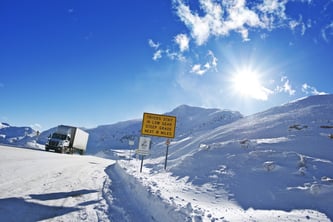
Empowering Drivers Through Training & Technology
Winter success hinges on preparation. In 2025, fleets can combine training with technology more effectively than ever. Seasonal driver workshops, ELD-based digital resources, and telematics alerts provide real-time insights on tire pressure, battery voltage, cold starts, DEF levels, and braking trends. An informed and well-equipped driver is your fleet’s strongest defense against winter-related safety risks.
2025-2026 Winter Fleet Safety Summary
With the right preparation, fleets can dramatically reduce winter-related breakdowns, accidents, and downtime. The key is consistency: trained drivers, disciplined inspections, technology-enabled monitoring, proactive maintenance, and clear communication. Winter will always bring challenges, but a prepared fleet is a safe, reliable fleet all season long.